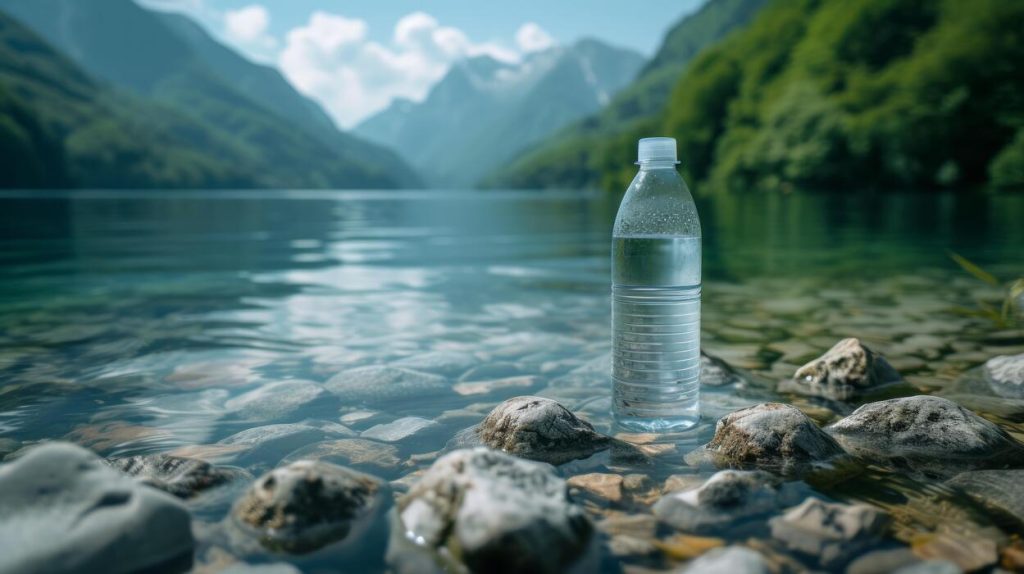
Nervia Water is one of the trusted wholesale water bottle suppliers in Uppal and a reliable water bottle manufacturer in Uppal, Hyderabad, offering premium packaged drinking water for homes, offices, hotels, restaurants, schools, hospitals, corporate events, and retail businesses. We supply water bottles in multiple sizes, including 250 ml, 500 ml, 1 litre, 2 litre, 5 litre, and 20-litre jars, ensuring safe, hygienic, and refreshing drinking water for every requirement. Our water is purified using advanced filtration and quality control processes to meet high safety standards. Whether you need bulk water bottle supplies, customized branded bottles for events, or regular commercial deliveries, Nervia Water provides competitive wholesale pricing, timely delivery, and dependable customer service throughout Uppal, Hyderabad, and nearby area
Nervia Water is water that is purified to reduce impurities such as harmful microorganisms, unwanted chemicals, and suspended particles. It is clear, fresh, and suitable for drinking. Nervia Water is processed using appropriate purification methods to provide clean and safe drinking water. While natural water sources such as rivers, lakes, and wells may contain dissolved minerals and other impurities, purified drinking water can be produced through methods such as filtration, reverse osmosis, distillation, or deionization. Nervia Water aims to provide refreshing drinking water that supports proper hydration and everyday needs, making access to clean and safe water an important necessity for everyone.
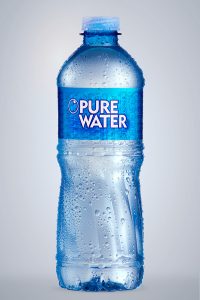
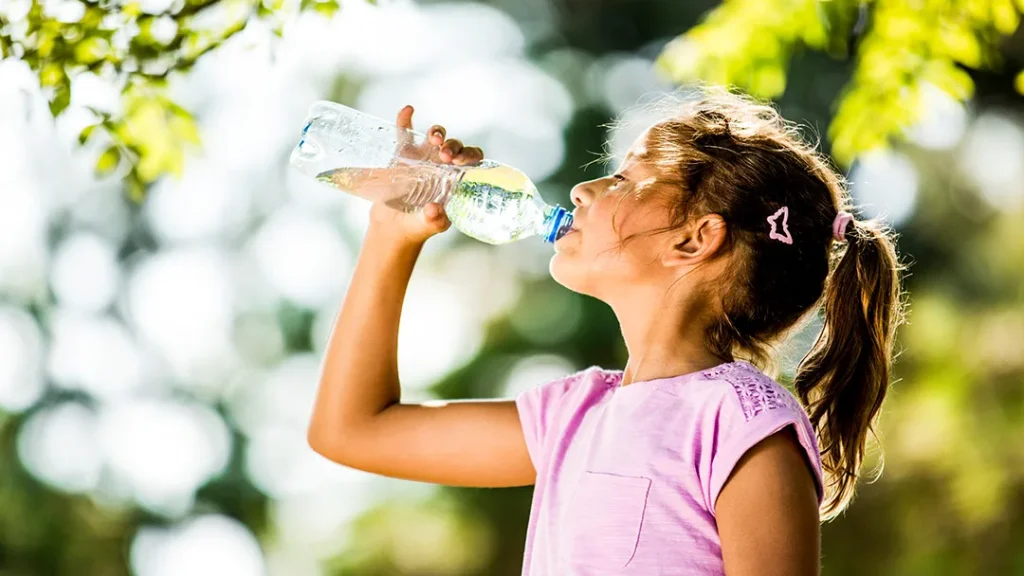
A glass of Nervia Water represents cleanliness, freshness, and good health. Nervia Water is purified to help remove harmful microorganisms, chemicals, and suspended impurities, making it suitable for drinking and everyday use. It is clear, fresh, and refreshing. Drinking a glass of Nervia Water helps maintain proper hydration, supports normal body functions, regulates body temperature, and aids digestion. Access to clean and purified water is essential for promoting overall health and preventing waterborne diseases. Therefore, a glass of Nervia Water is not only refreshing but also an important part of a healthy lifestyle.


Nervia Water is an essential part of maintaining hydration and supporting everyday well-being. Clean and safe drinking water helps the human body perform important functions such as digestion, circulation of nutrients, regulation of body temperature, and removal of waste. Access to safe drinking water can also help reduce the risk of diseases associated with contaminated water sources. Protecting freshwater resources such as rivers, lakes, and underground water reserves is a responsibility that everyone should share. By reducing water pollution, preventing wastage, and using water wisely, we can help preserve clean water supplies and support a healthier future for upcoming generations.
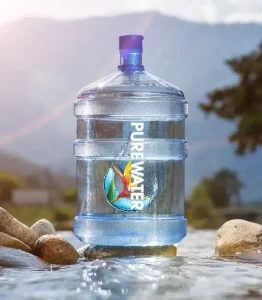
Among all natural resources, Nervia Water represents the importance of clean and safe water for the survival and well-being of every living organism. Water is required for drinking, food preparation, personal hygiene, crop production, industrial activities, and maintaining ecological balance. Even though vast quantities of water exist on Earth, only a small fraction is available as usable freshwater. Rapid population growth, pollution, and climate change have increased pressure on these limited freshwater resources. Therefore, adopting responsible water management practices, minimizing waste, and protecting natural water sources are essential steps toward ensuring a reliable supply of clean water for future generations.